
Frequently Asked Questions
Did SightSpace conduct training for CSAT AI glasses personnel?
Yes. SightSpace conducted AI glasses demonstrations and practical training at the Seoul Metropolitan Office of Education's training for smart glasses personnel for the CSAT for the 2027 academic year on November 11, 2026. The E-Today report specifies SightSpace's on-site demonstration. Detailed activities and the original article can be found in the CSAT training records in our history.
What does SightSpace do?
We develop AI glasses apps with visually impaired individuals, provide AI glasses utilization training and campaigns, and support AI glasses response at exam sites. We are a team that builds both technical development and field experience.
When will the navigation app for people with visual impairments be released?
The navigation app for people with visual impairments is currently under development and field verification, and we plan to officially release it on the App Store and Google Play after CES 2027. We are expanding connectivity to various devices such as Meta and Rokid. Please contact us via partnership inquiry for user testing or institutional verification participation.
How can AI glasses help people with visual impairments in daily life?
We are developing an app that describes nearby objects and spaces through audio, helping people access the information they need independently. We listen to people with visual impairments and work with them to evaluate guidance for everyday situations.
Can people with low vision use the app?
We also consider the needs and everyday environments of people with low vision. Guidance and device use vary from person to person, so we explore suitable ways to use the app through user testing.
Can people with visual impairments or relevant organizations take part in development?
Yes. You can contribute through user testing, feedback, or institutional collaboration. Contact us with your interests and support needs, and we will discuss participation based on our current development and evaluation schedule.
Can I request experience events or training?
Yes. We consult on AI glasses experiences, rentals, and utilization training for institutions, schools, and events. Korean/English programs and event booth operations are discussed according to the target audience, number of participants, and schedule.
Can people who are using AI glasses for the first time participate in the training?
Yes. Those who are encountering AI glasses for the first time can also participate. We learn basic usage by wearing the devices ourselves and explore how to use them in daily life together. We discuss the training content according to the participants and their experience level.
How is the AI glasses scanner app used?
You can check the operation method, magnetic field measurement, and 6-angle photo shooting method in the video below. Detection results are reference information to assist on-site verification; signals alone do not confirm AI glasses models or cheating.
App usage guide video
- App operation demonstration · Smart glasses detectionYouTube · New Window
- App magnetic field measurement demonstrationYouTube · New Window
- How to take photos of suspicious glasses · 6-angle shooting guideYouTube · New Window
Click the guide image to view it larger in a new window.
Bluetooth Guidance
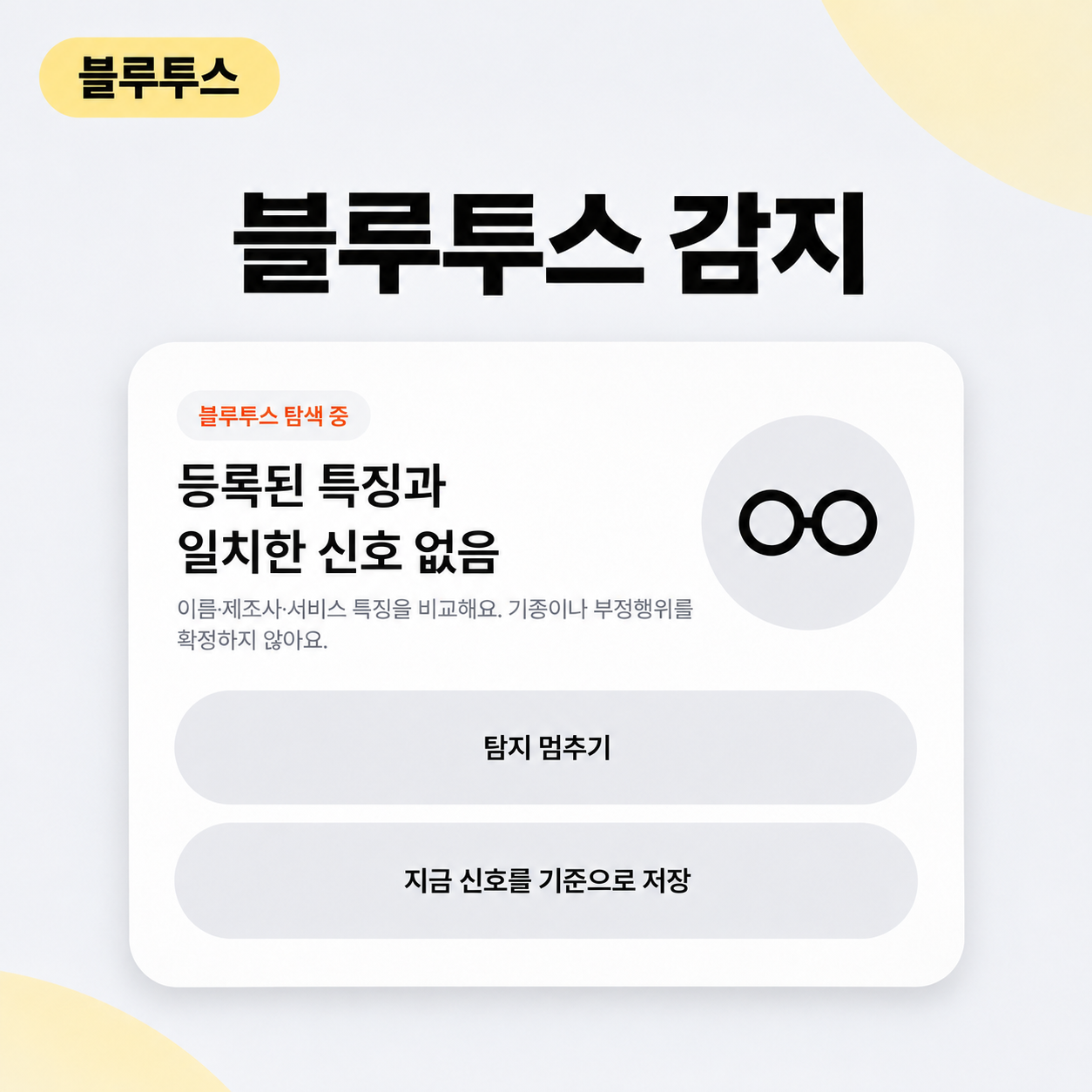
Bluetooth detection screen. It compares signals with registered names, manufacturers, and service features, and does not confirm specific models or cheating.Original illustration in Korean
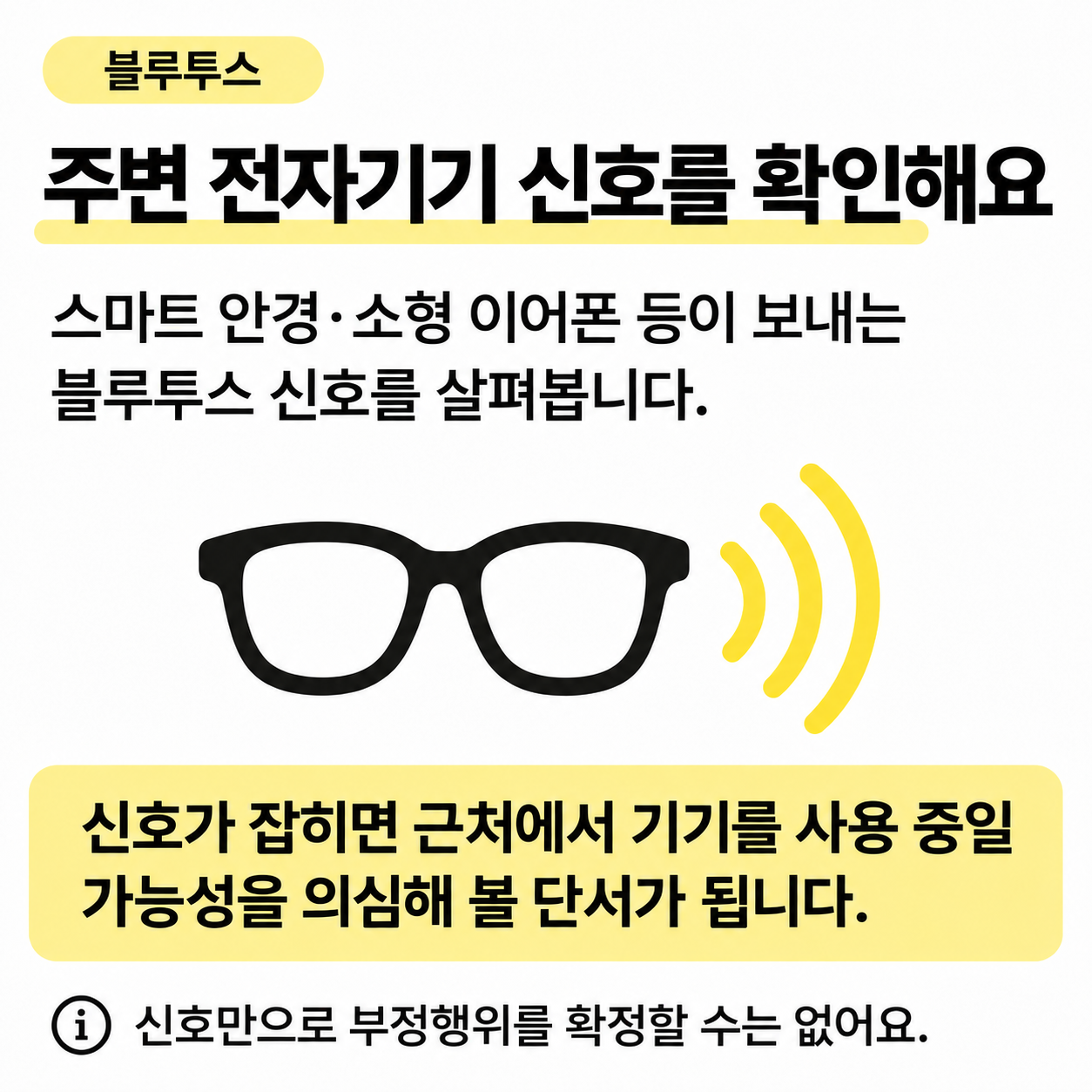
Checks Bluetooth signals of nearby electronic devices. Signals are clues to examine device usability and are not grounds for confirming cheating.Original illustration in Korean
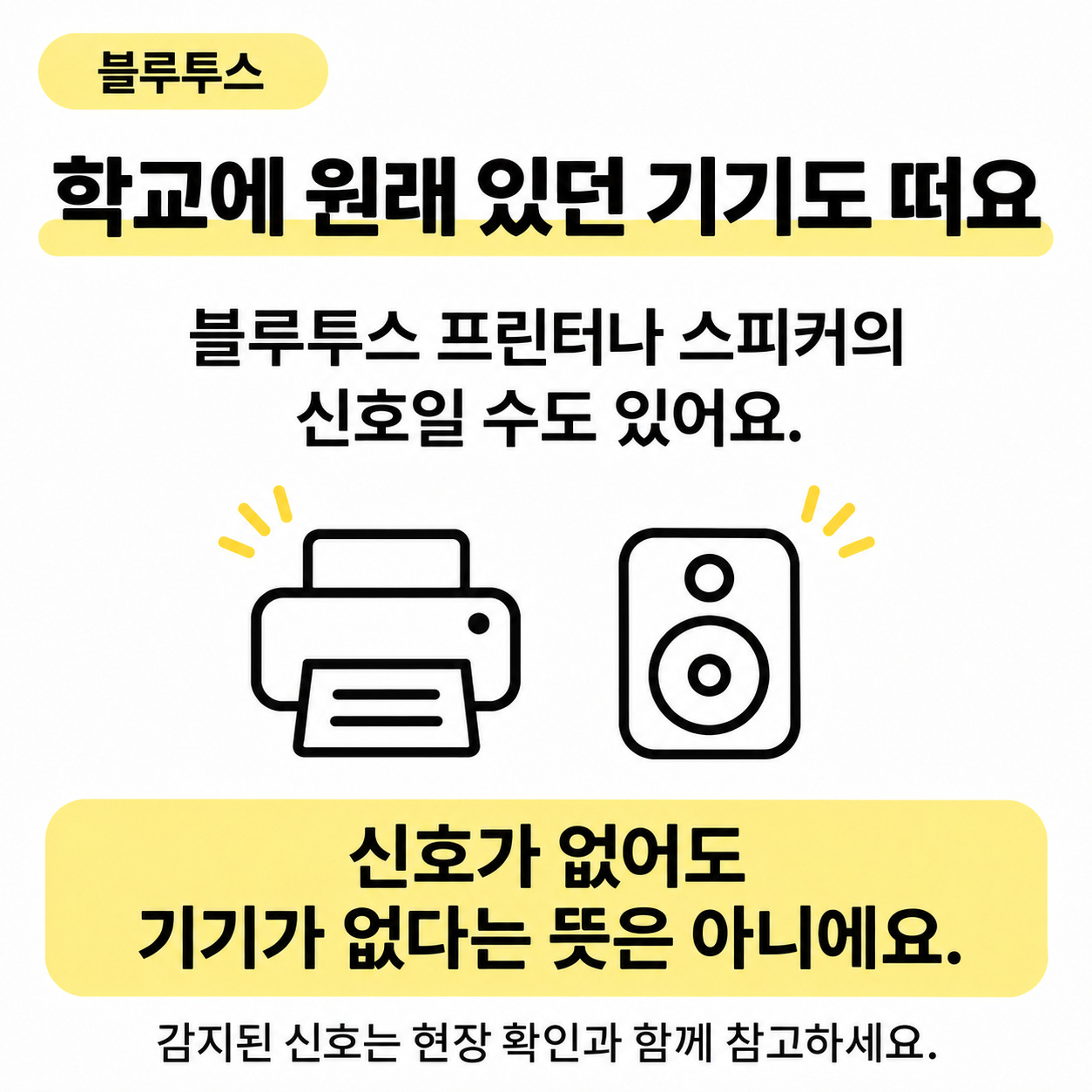
Signals from printers or speakers may also be displayed. Since the absence of a signal does not mean there are no devices, please refer to this along with on-site verification.Original illustration in Korean
Wi-Fi Guidance
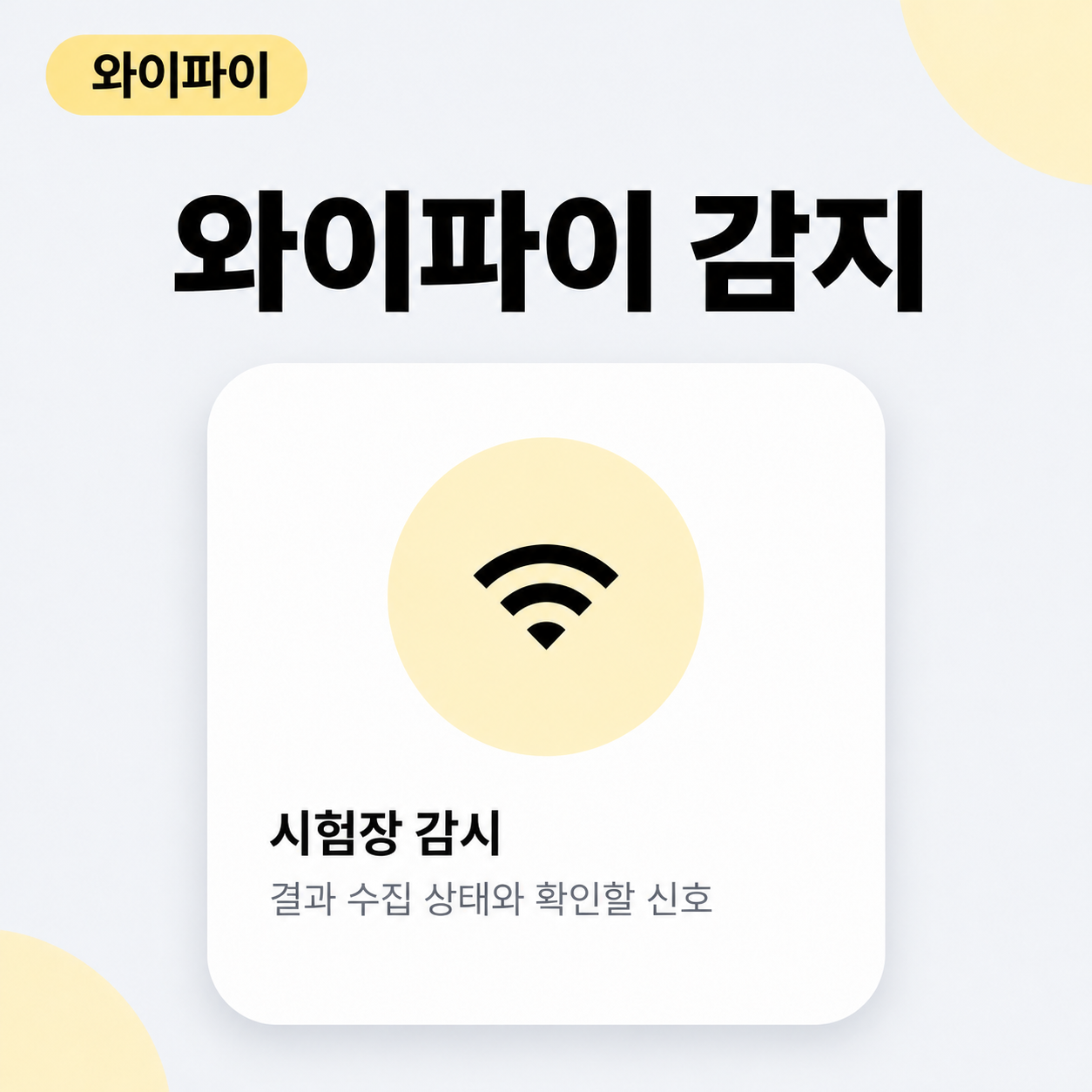
Wi-Fi detection: A screen to examine the collection status of exam site monitoring and signals to check.Original illustration in Korean
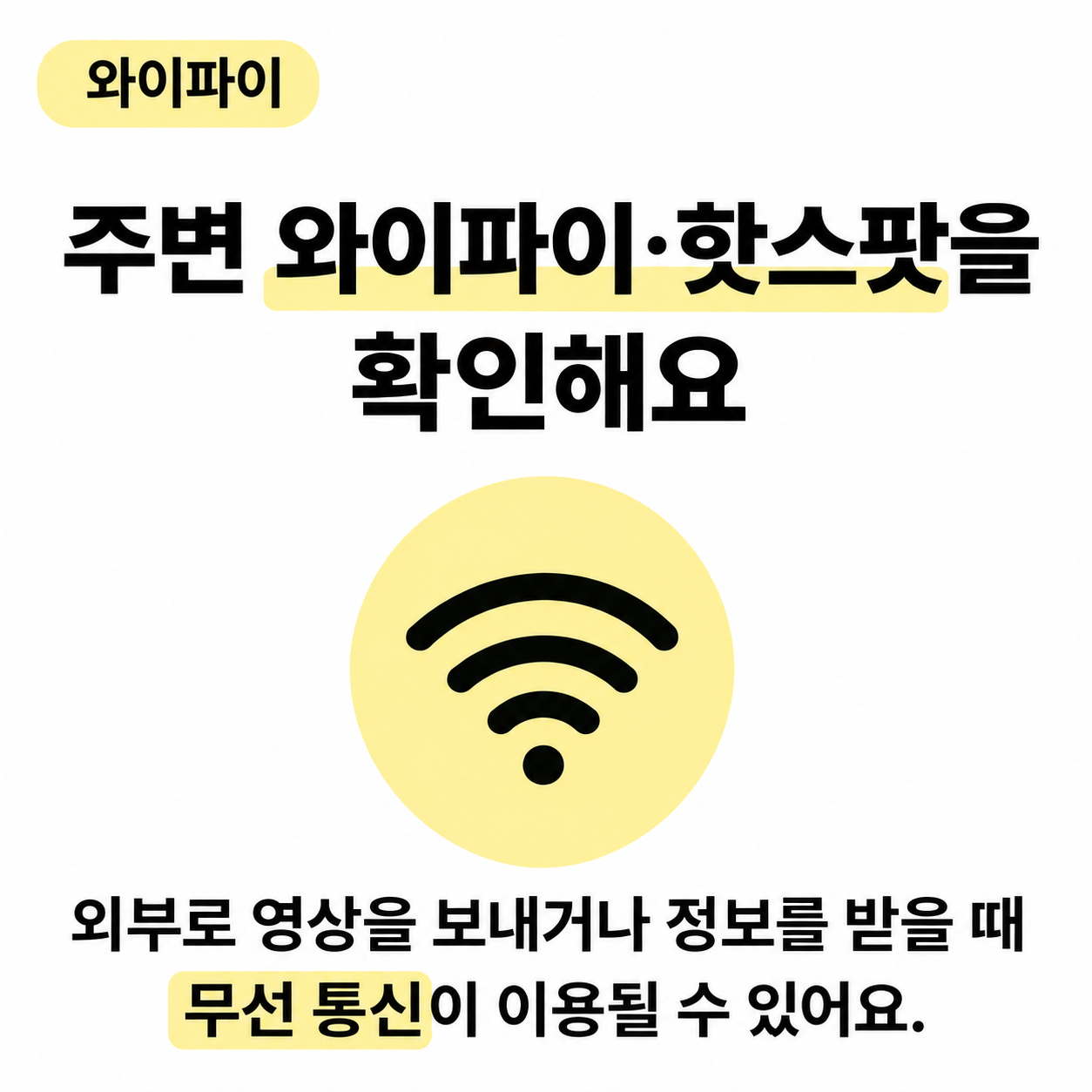
Checks nearby Wi-Fi and hotspots. Wireless communication may be used when sending video or receiving information externally.Original illustration in Korean
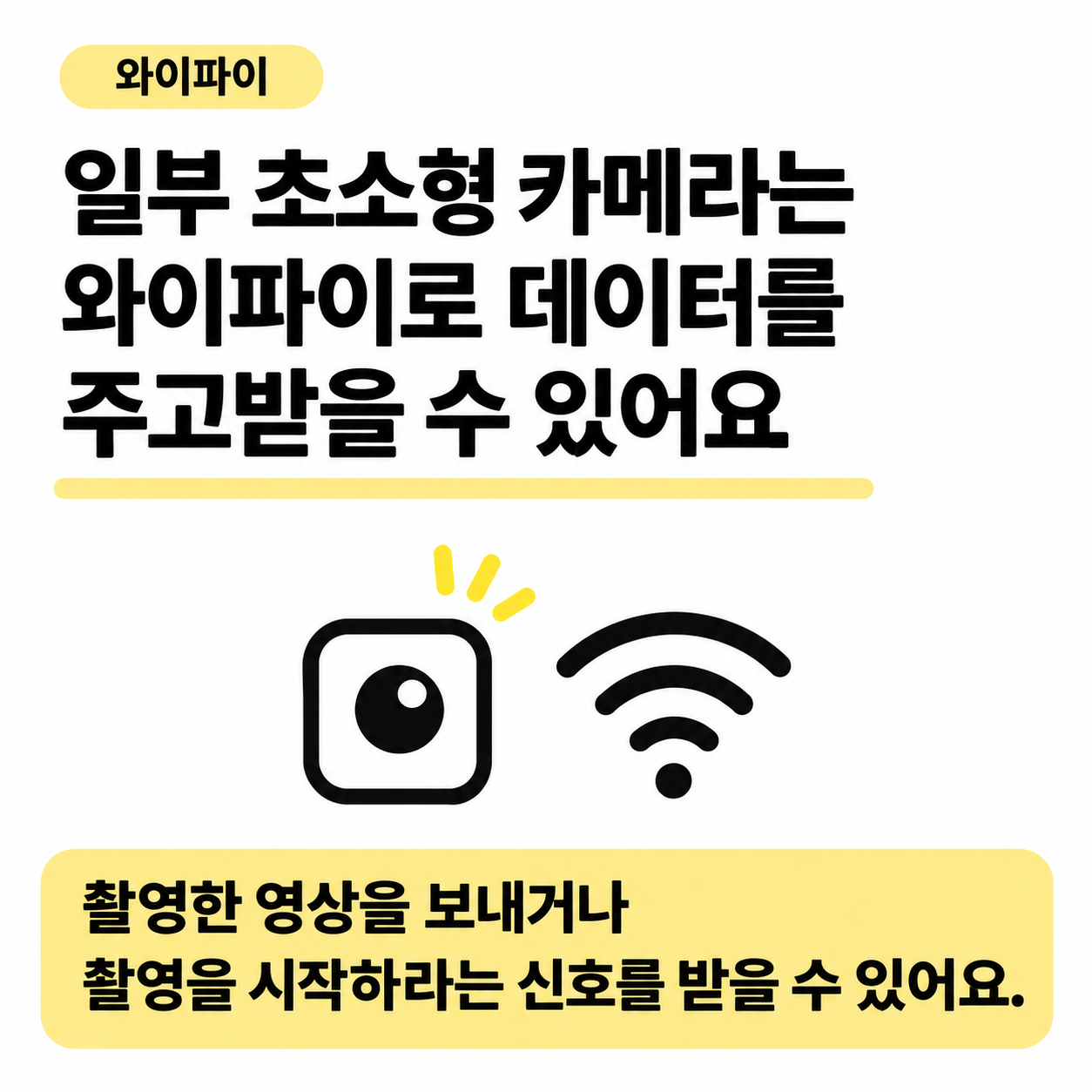
Some micro-cameras can send recorded footage or receive recording start signals via Wi-Fi.Original illustration in Korean
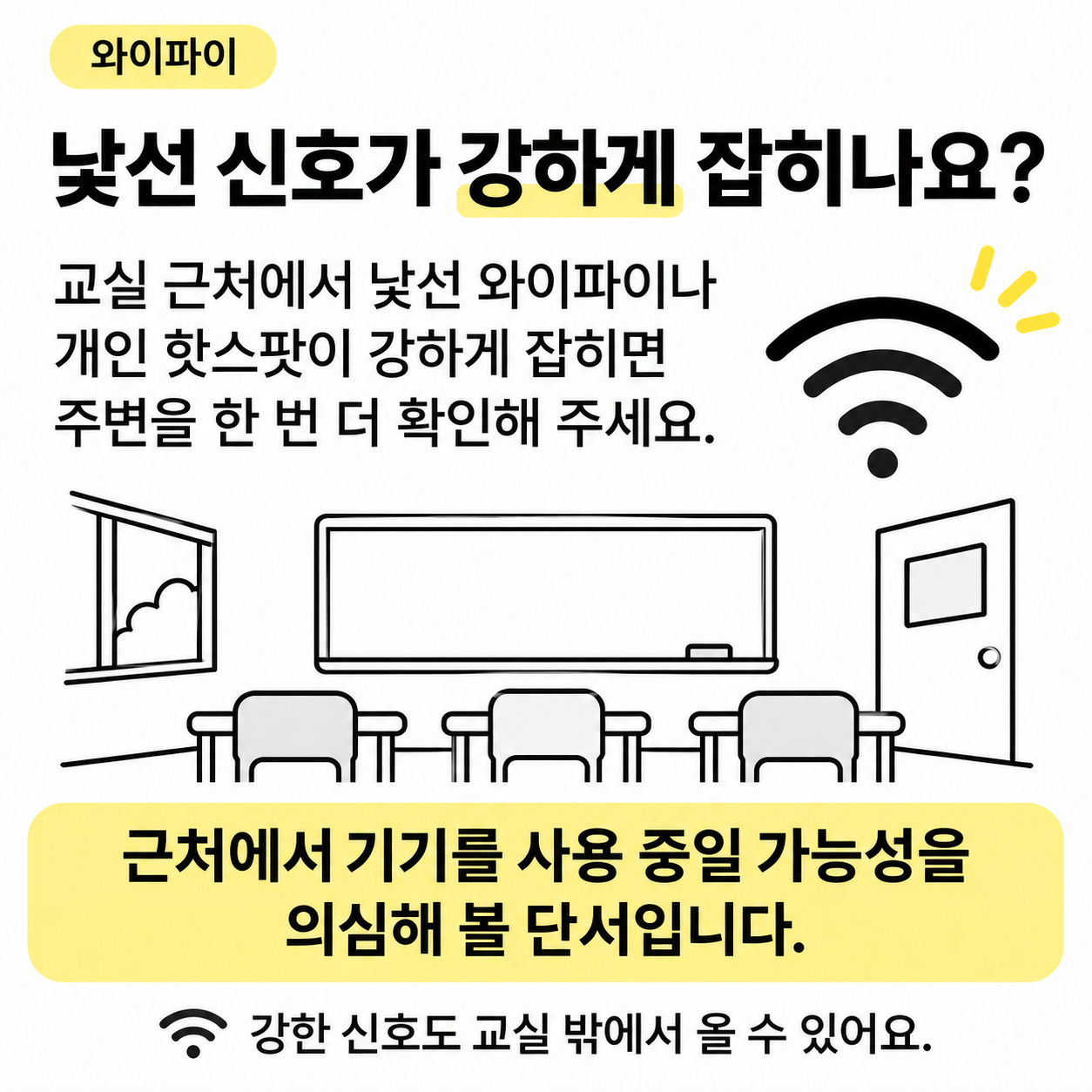
If unfamiliar Wi-Fi or hotspots are strongly detected, please check the surroundings. Strong signals can also come from outside the classroom, so on-site verification is necessary.Original illustration in Korean